

Welcome, wildlife investigators
Helping nature starts with knowing more about it

© Sarah Pietrkiewicz
Here in Canada, we share our lands and waters with many different animals. In Saskatchewan, black-tailed prairie dogs are busy digging burrows next to farmland. In northern forests, grey wolves race down logging trails. Off the Pacific coast, sea otters swim while giant ships pass by.
Over the years, a lot has changed in Canada’s ecosystems. If we want to protect wildlife, we first need to find out how these animals are doing as their environment changes around them.
That’s where WWF’s Living Planet Report Canada 2025 comes in. For decades, scientists have monitored whether wildlife population sizes are growing, shrinking or staying the same. In this report, the word “population” means a group of animals that are all the same kind, or species, living in the same area.
When you put the results together and look at how all of these populations have changed, it tells us if we need to take action to stop species from going extinct (a species is extinct when its last member dies).
On this page, you’ll get to know some of the animals found in the report. Some are “keystone” species that can shake up a whole ecosystem if they go missing. Some have large populations today, and some have small ones. Each of them is important. They are all connected to each other, and each plays a role in keeping nature in balance.
By learning more about them, we give ourselves the tools to help them all.
Reporting in for wildlife in Canada!
Select the play button to learn why changes in wildlife populations are big news to World Wildlife Fund Canada research scientist Jessica Currie.
Species stories
Choose a wildlife species to explore.
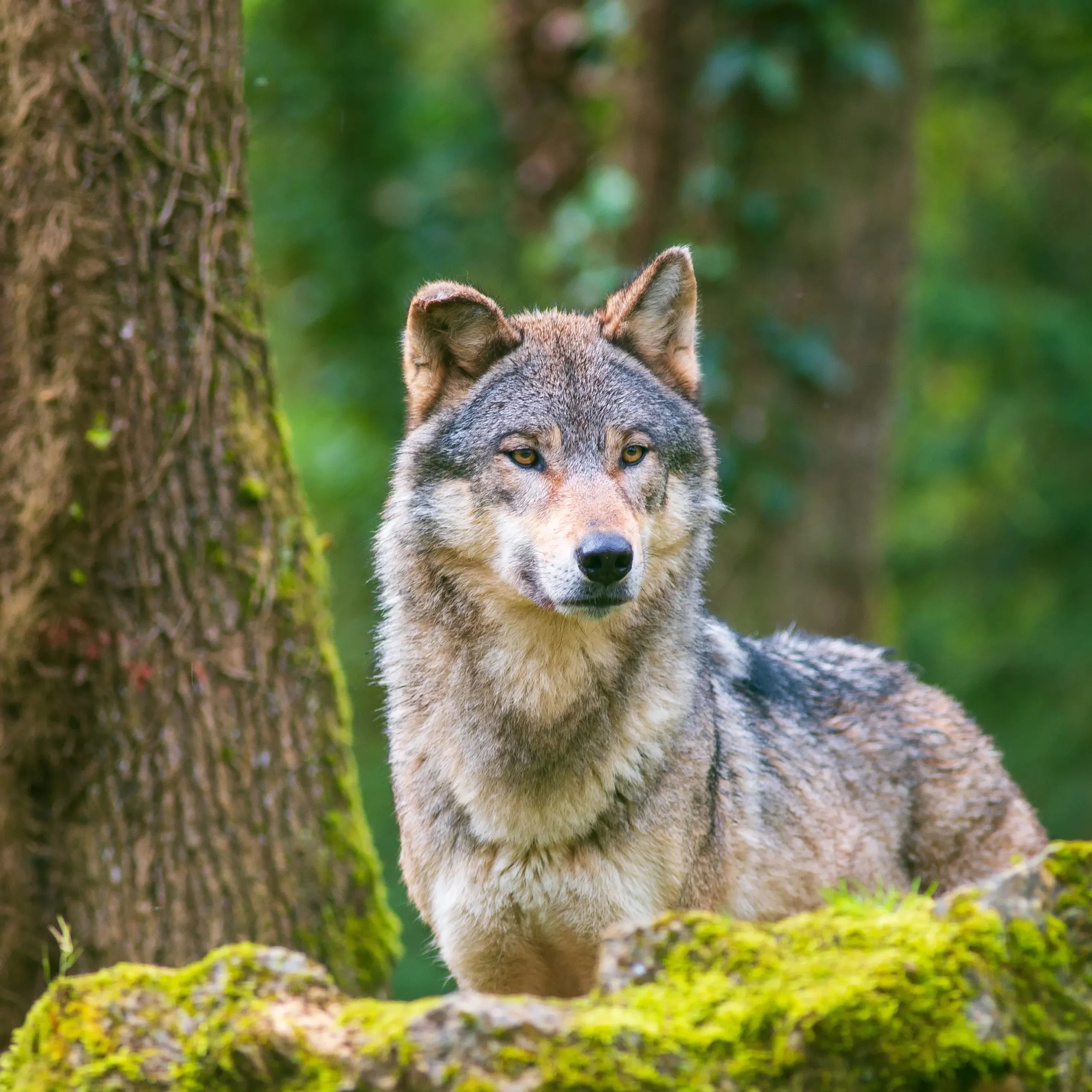
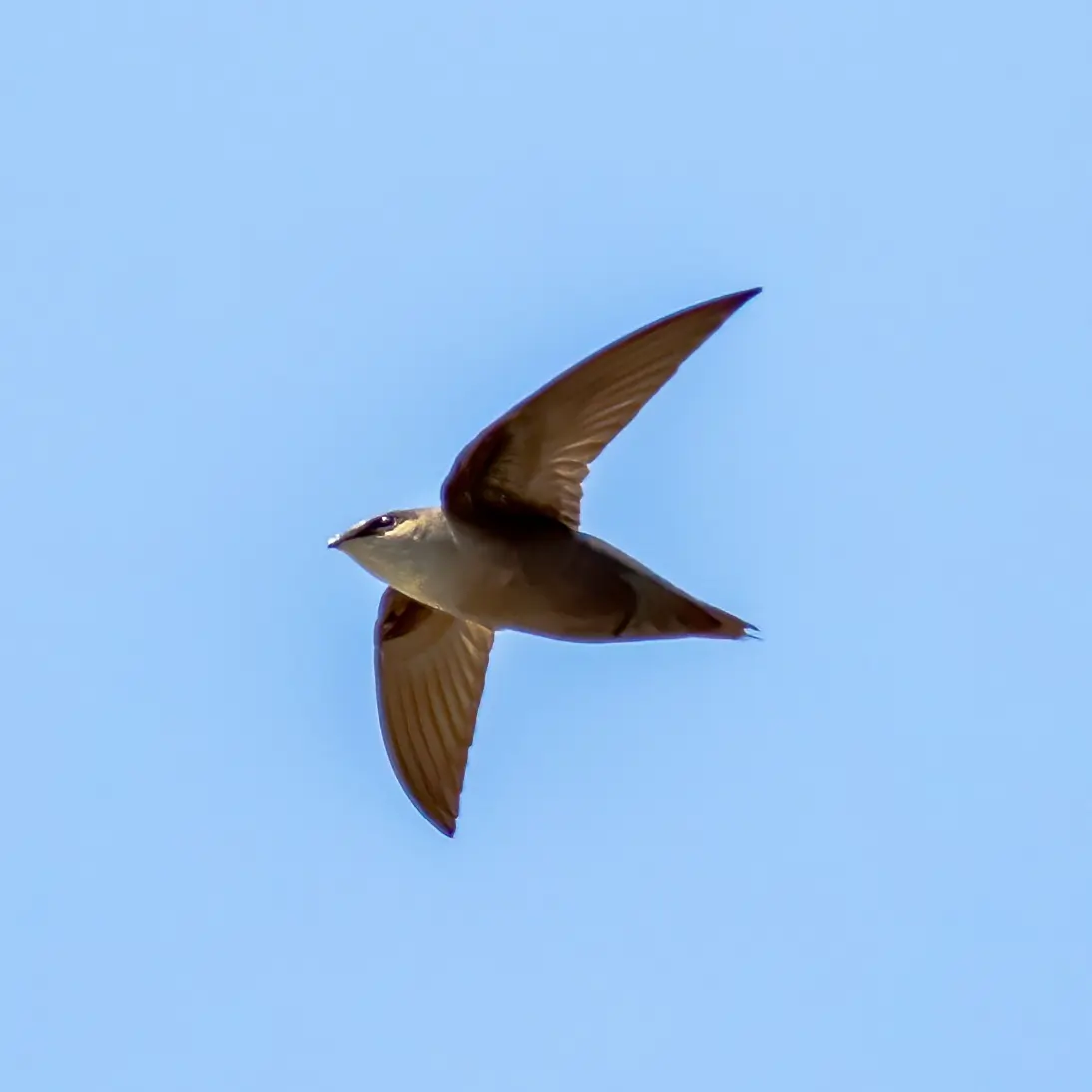
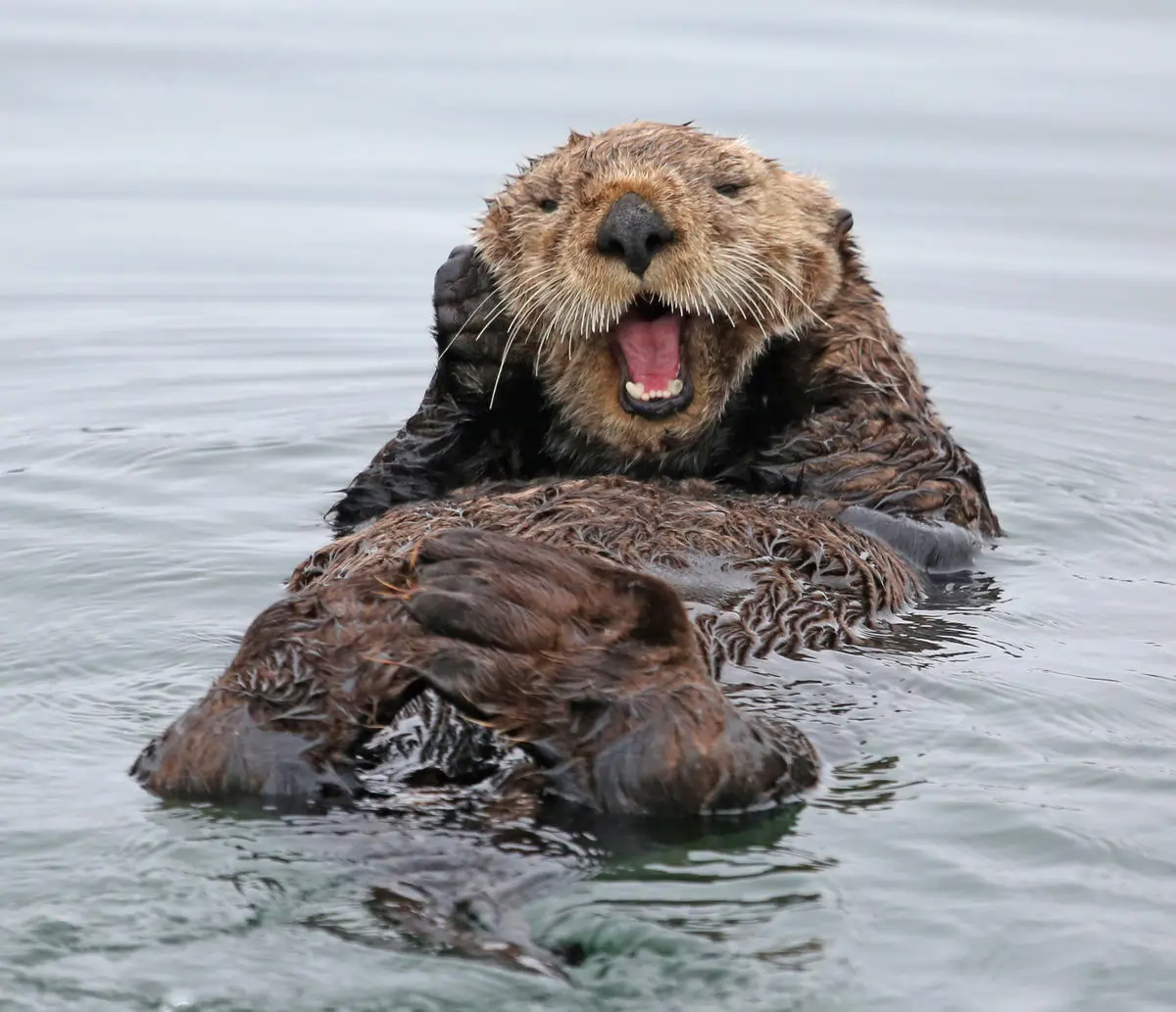
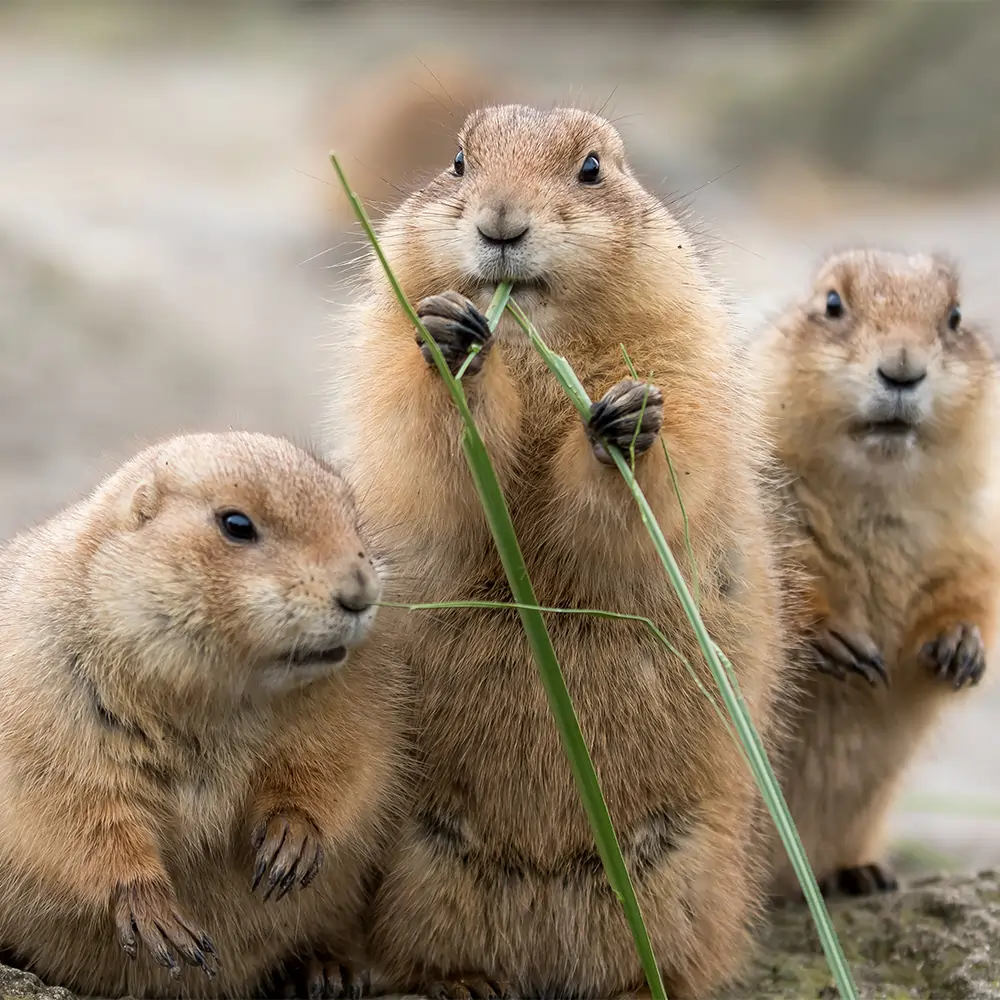
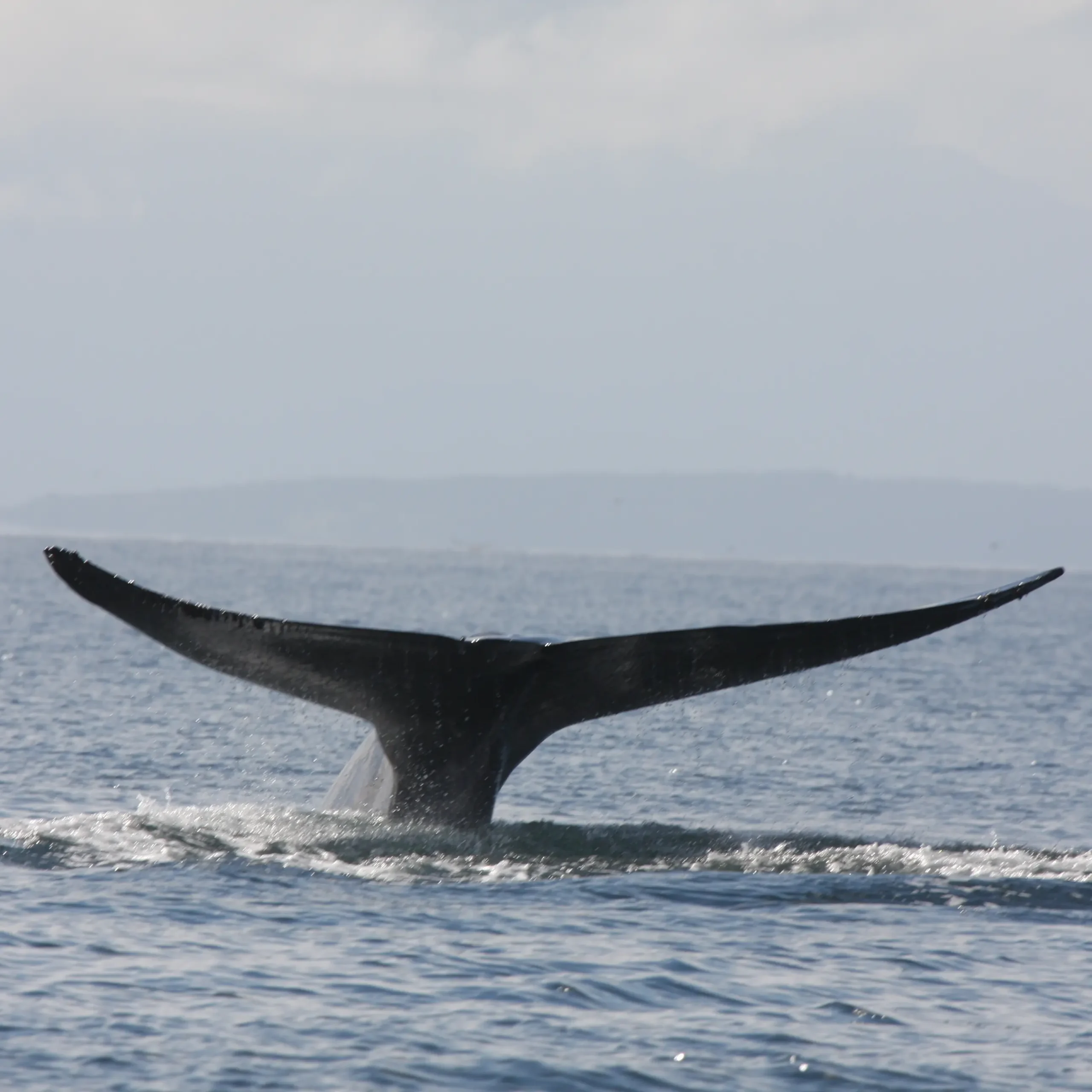
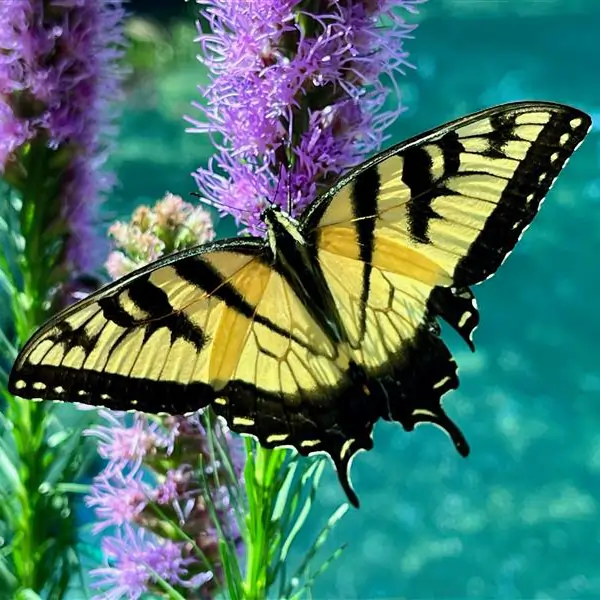
How have wildlife population sizes changed?
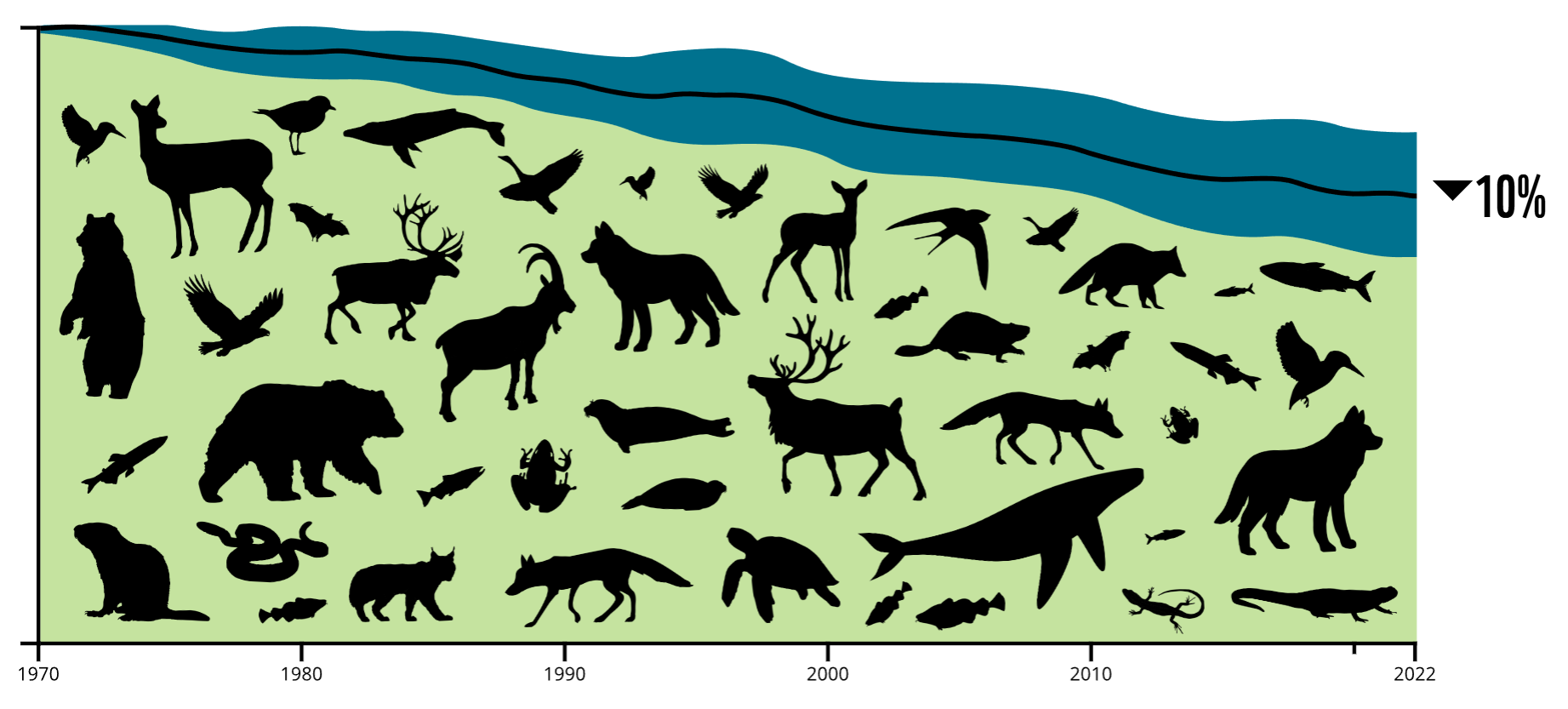
Populations for a lot of wildlife species in Canada are shrinking. How do we know? To find out and create the Living Planet Report Canada, scientists analyzed data on population sizes for 910 vertebrates (A vertebrate is an animal with a backbone. That includes mammals, birds, reptiles, amphibians and fish.)*. Why 910? Because that’s how many animals they had enough data, or information, available for. Between the years of 1970 and 2022, the scientists found that on average, the populations of those species fell by 10 per cent.
This doesn’t mean that every wildlife population in the study got smaller, because it’s an average. But when scientists looked at all of the populations together, they saw that overall, population sizes shrank by 10 per cent. They saw population sizes getting smaller for every species group they studied: birds, fish, mammals, reptiles and amphibians. And they also found that the population got smaller for more than half of the species studied.
This tells us that some wildlife species in Canada do need our help. For example, long-endangered species like woodland caribou, burrowing owls and southern resident killer whales could be lost forever if we don’t get their numbers up.
A report card for wildlife populations
Select the play button to learn how scientists study changes in wildlife populations and how that information helps us help them.
How you can help
You can help wildlife in Canada:
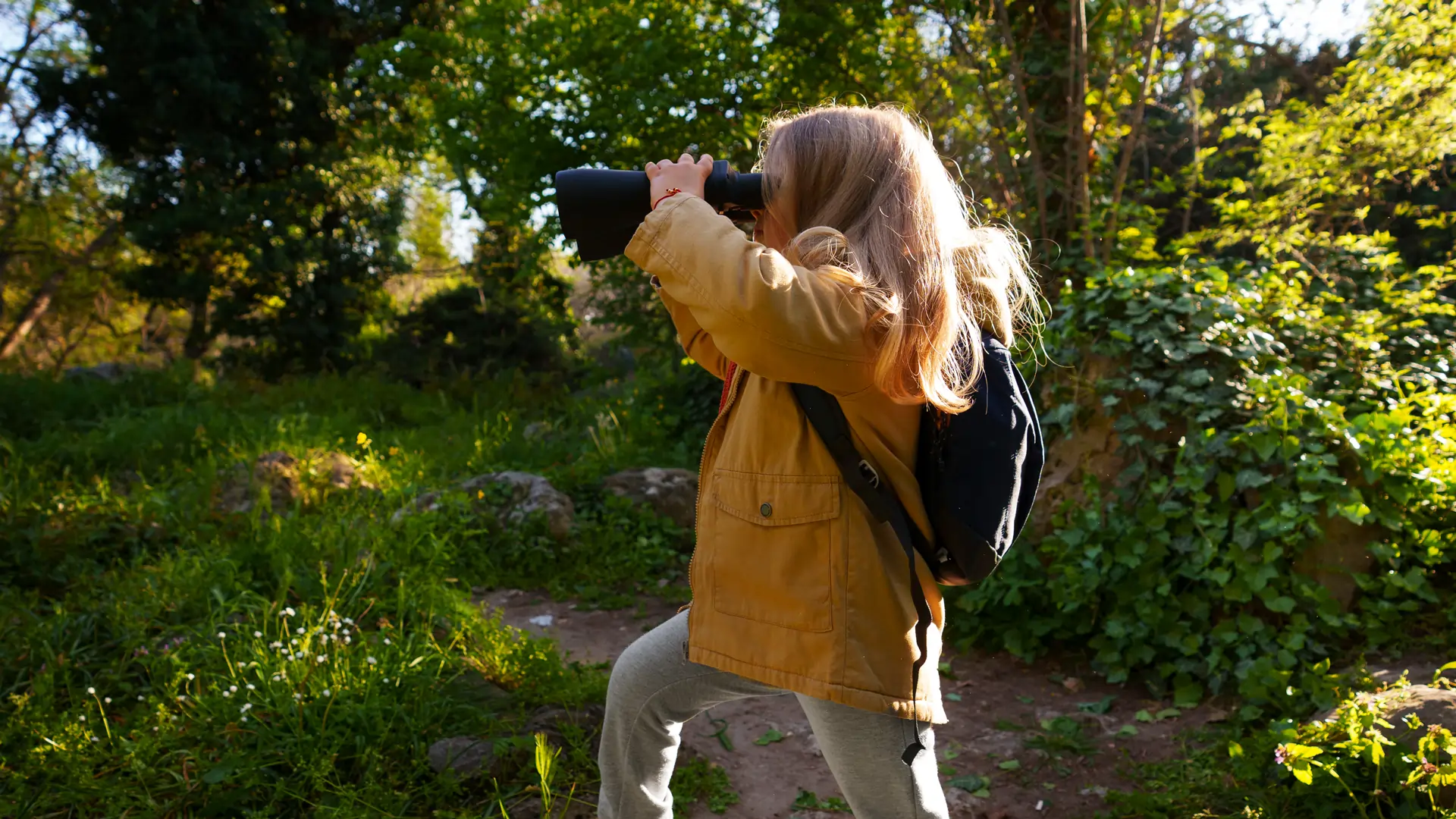
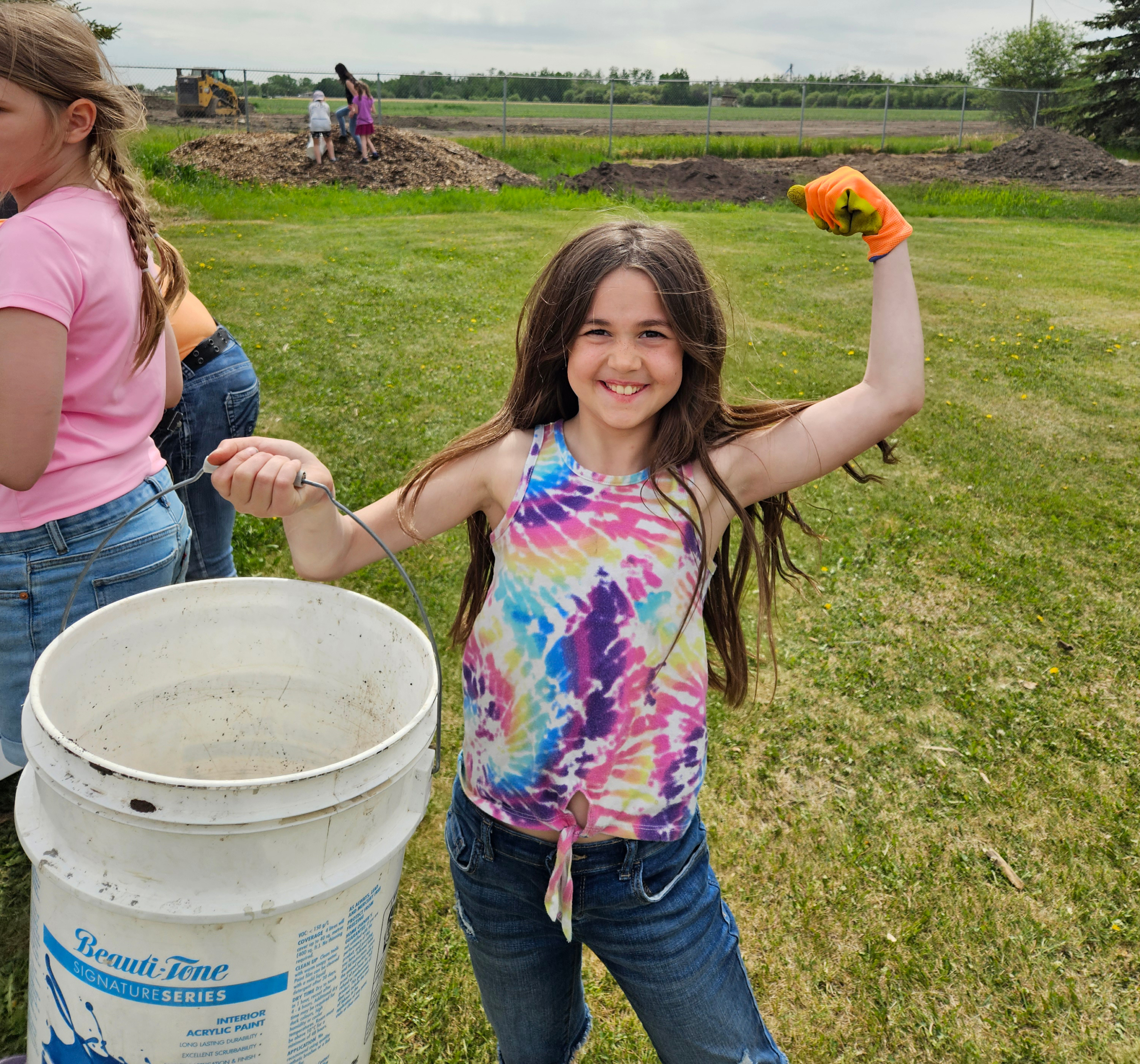
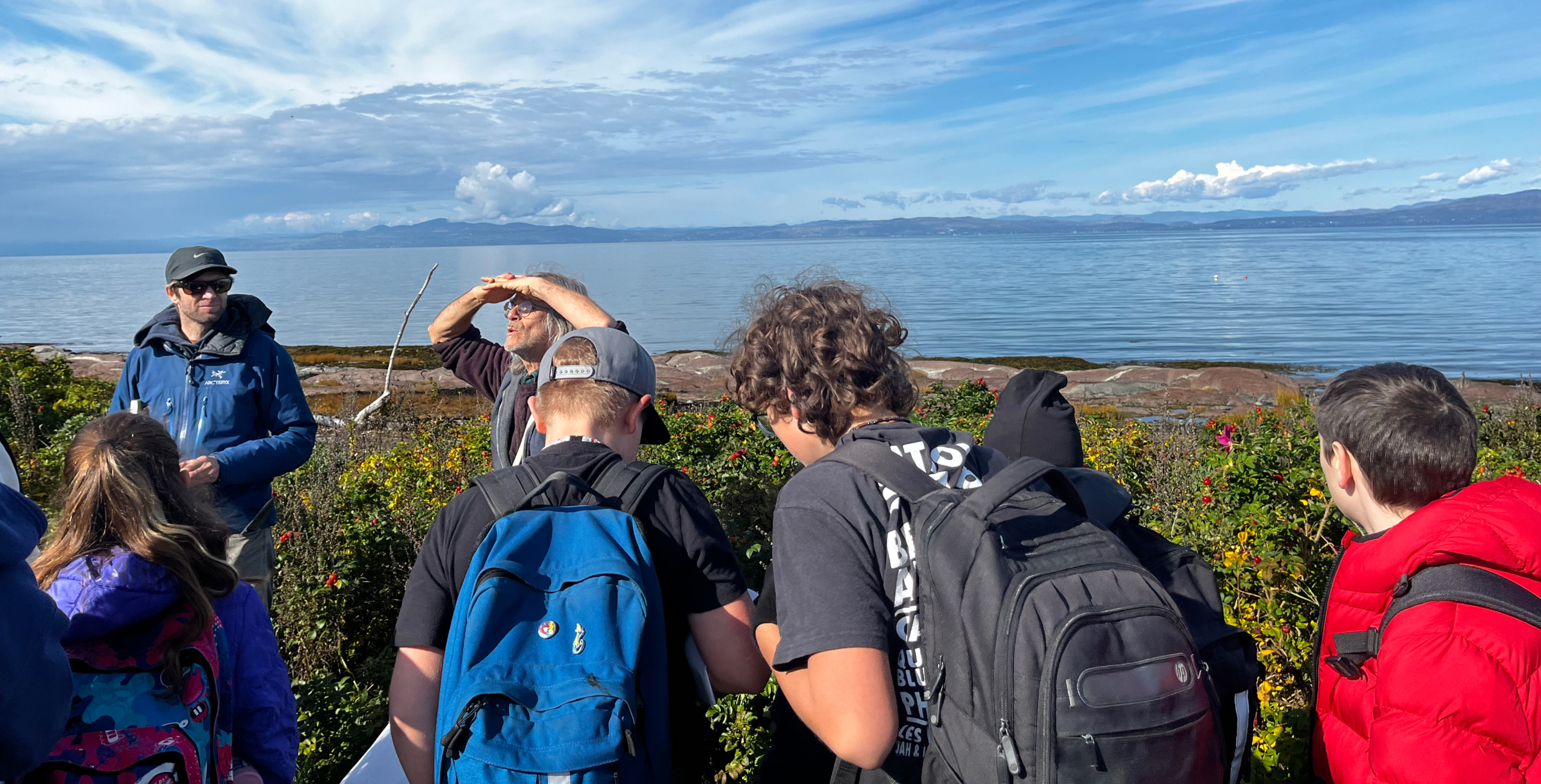
Be a citizen scientist. Get to know the plants, wildlife and environments near you. Make notes, take photos, and share them. When it comes to monitoring wildlife populations all across the country, scientists can’t do it alone. Many volunteers of all ages called citizen scientists or community scientists help out by collecting their own nature observations.
Protect wildlife homes. Speak up when habitat is under threat in your community. You can write a letter, speak at a meeting, make posters or film a video. Tell people about the problem and suggest a solution.
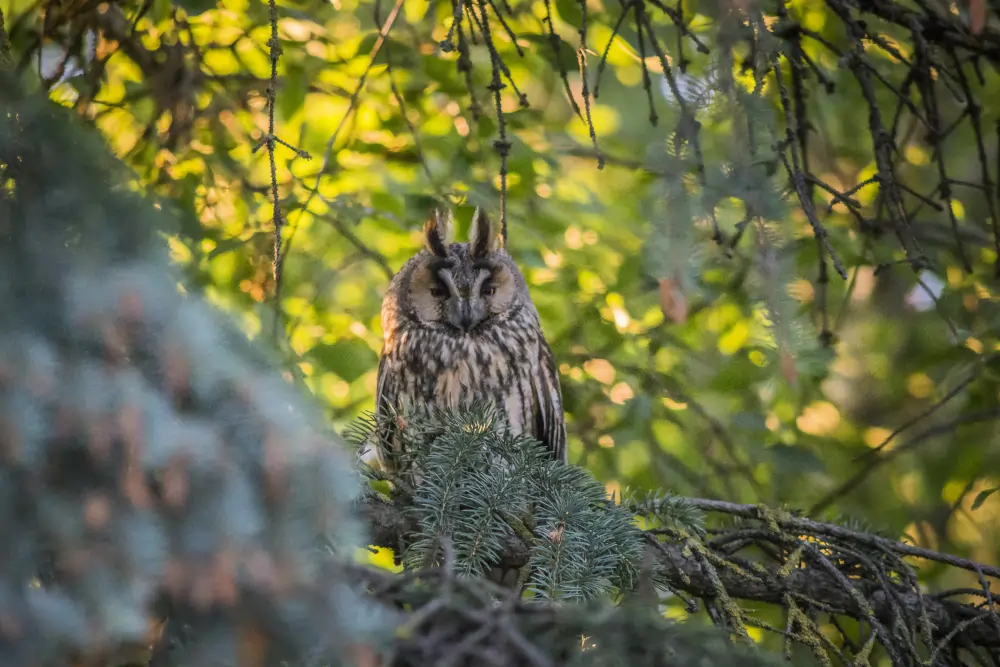
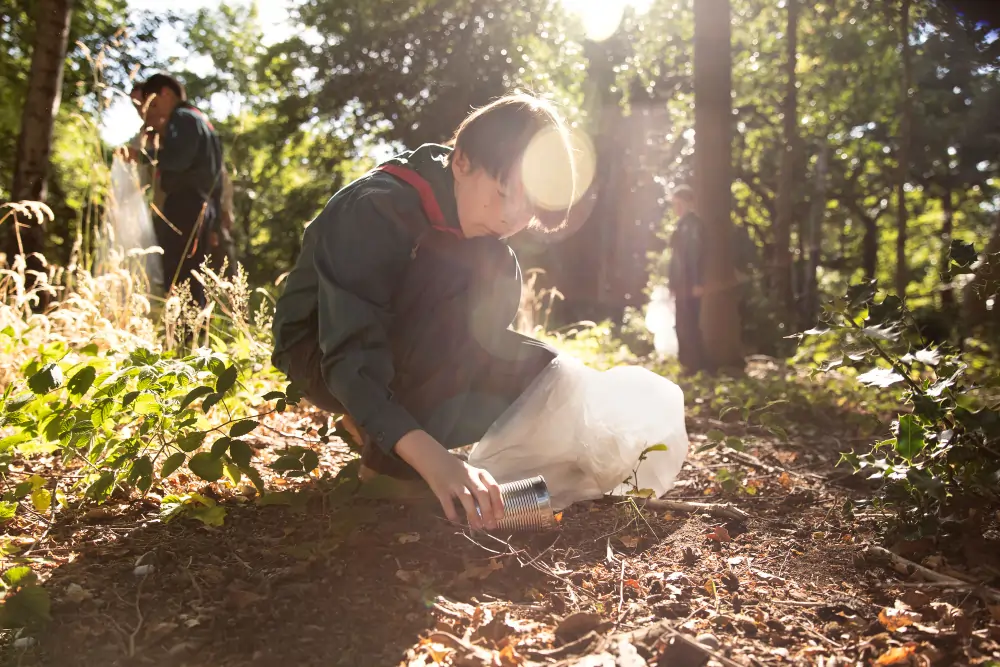
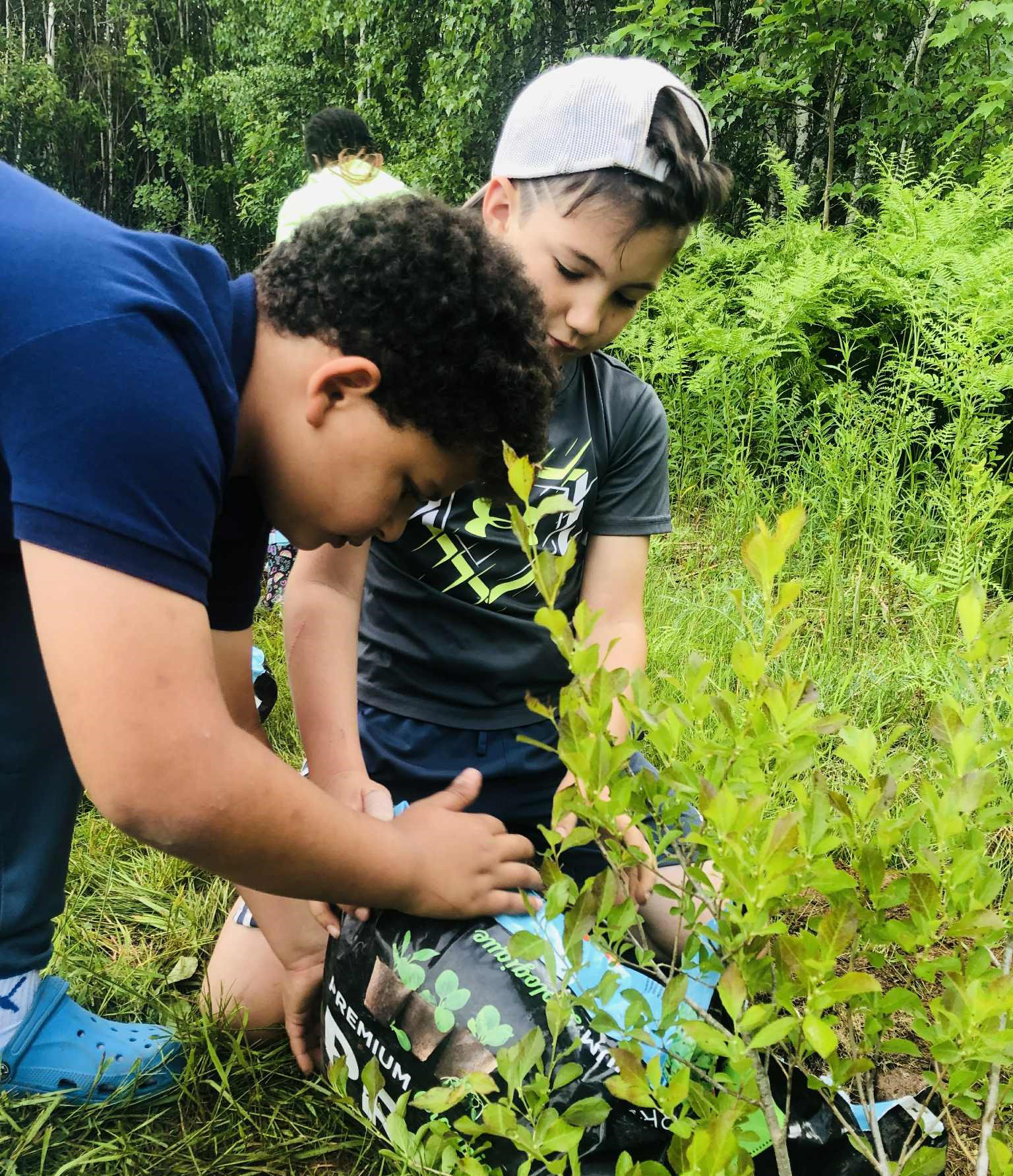
Restore wildlife homes. Local wildlife species need native plants to thrive. They have evolved over thousands of years to use these plants for food and shelter. When you grow native species of plants and trees, you are helping to create the habitat they depend on.
Share what you know. When you learn about wildlife, like you’re doing right now, you equip yourself to better help them. When you share what you learn with other people, you can inspire and equip them to take action too.

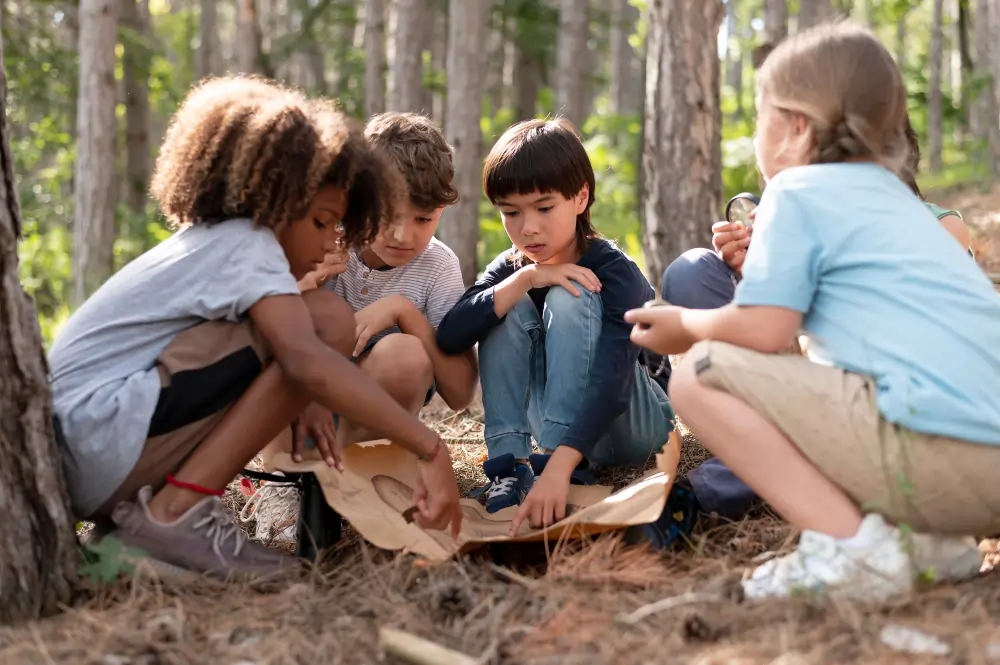
Work together. You never have to feel alone when you’re working to help wildlife. There are groups in your community and across Canada who are doing the exact same thing. You might find a group that monitors wildlife or restores habitat. Some are naturalists’ or birders’ clubs, and others take care of a specific park or wild space. If you don’t find an organization you like, you can start your own! Gather some friends and join forces. Together, you’ll make a bigger impact.
Explore WWF-Canada’s programs with your teacher, group leader, parent or guardian. The Living Planet @ School program helps students take action to help nature thrive. Our Go Wild Grants help fund projects to protect and restore habitat on school grounds. Free resources on our re:grow site teach you to grow native plants step by step, at home or any place where you have room for a few pots or a garden. Our Fundraise for Wildlife page has tools to help you give back to nature through a birthday party, classroom fundraiser or other event.
Learn, observe, share, restore: How people in Canada are helping wildlife
Select the play button to learn how people across Canada are helping wildlife — and what you can do to get involved.
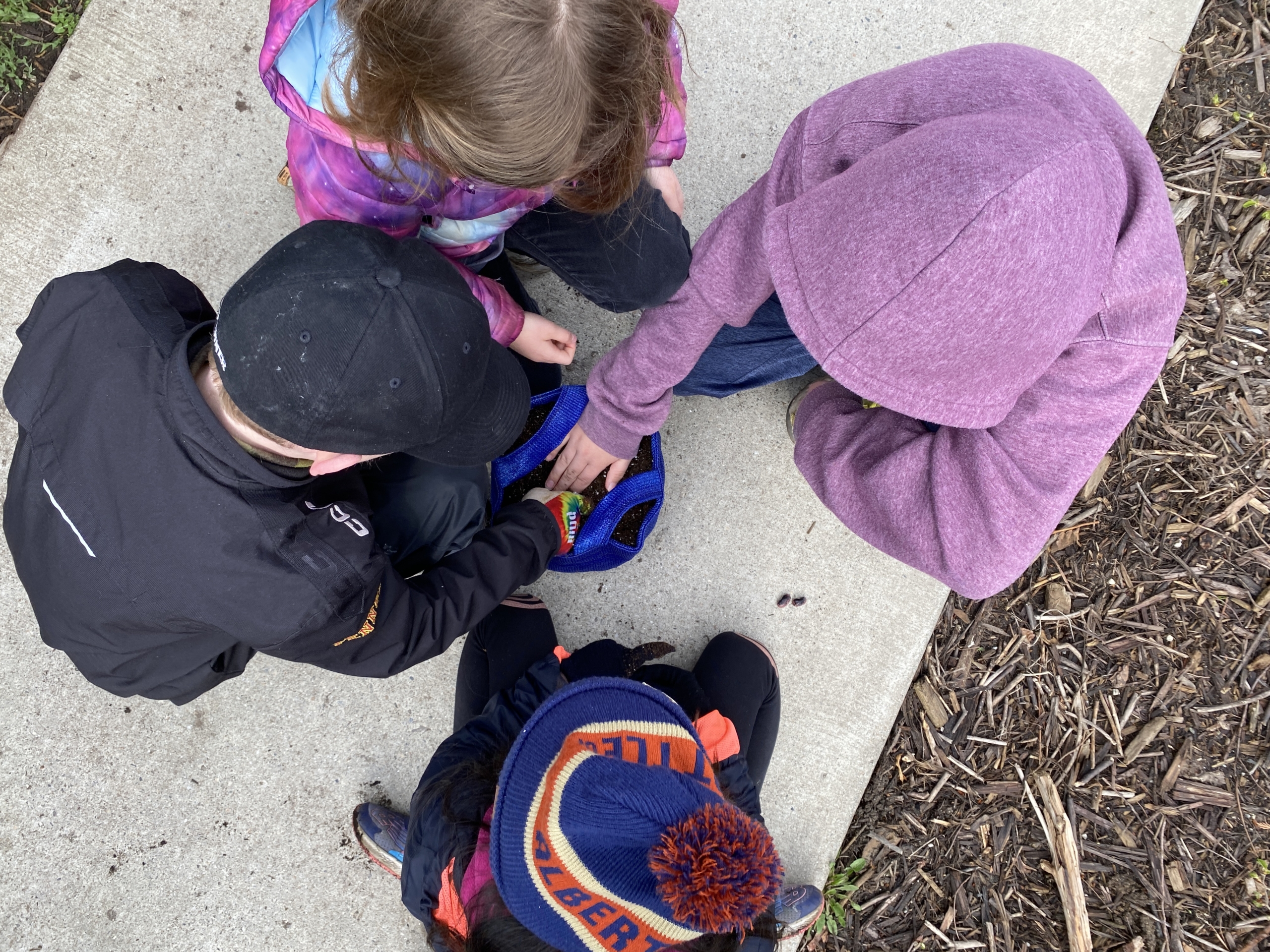


Share your story or idea
Picture a future where people and wildlife in Canada can live well together. In this future, we all get what we need to survive and stay healthy.
Everyone — including you — can be a part of creating that future. Choose a question to answer below. WWF-Canada might share your idea to inspire other Canadians to help wildlife!
Thanks for joining us!
Click here for a final word from World Wildlife Fund Canada research scientist Jessica Currie.